01
Operational resilience is becoming measurable
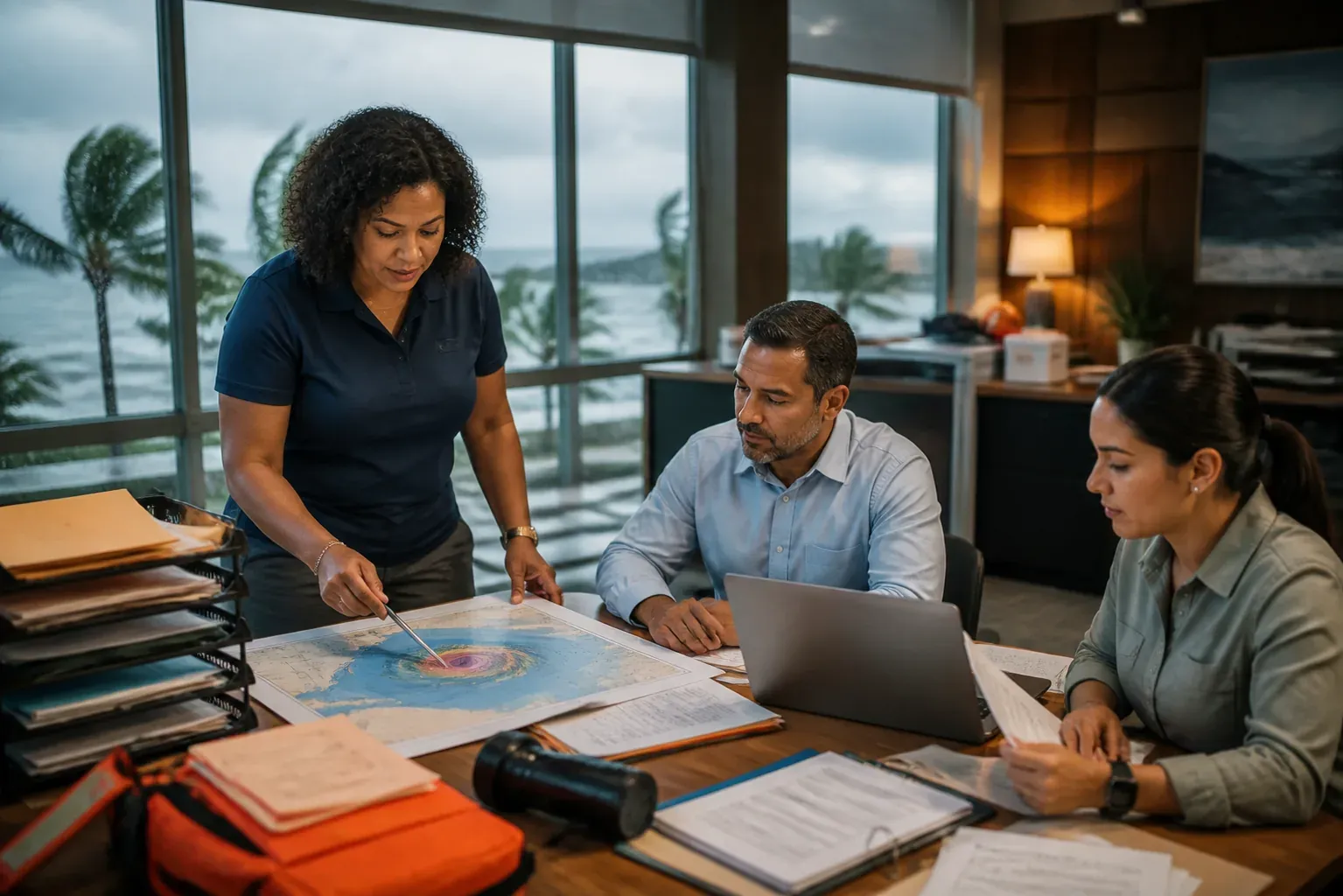
Boards, regulators, customers, and public stakeholders increasingly expect documented recovery objectives, test evidence, and clear service-continuity plans.
Industries
Modernize critical services without interrupting operations.
We help utilities, telecommunications providers, and critical-service operators improve records, field workflows, integration, reporting, and operational continuity.

What leaders are dealing with now
Operational resilience is becoming measurable
< 4 hours
RTOs in delivered continuity work
Redundant
geographic backup delivered
01 · What is changing in this sector
Critical-service organizations must maintain reliable operations while managing asset information, field activity, customer records, regulatory reporting, and recovery requirements across distributed environments.
01
Boards, regulators, customers, and public stakeholders increasingly expect documented recovery objectives, test evidence, and clear service-continuity plans.
02
Distributed teams need current records, assignments, asset context, evidence capture, and status updates outside the office.
03
Planning, maintenance, billing, customer service, compliance, and capital decisions depend on information that often sits in separate systems.
04
Operators need repeatable ways to produce accurate evidence on service, incidents, assets, recovery, and compliance obligations.
02 · Operational problems we typically encounter
01
Drawings, maintenance history, inspections, contracts, photos, and compliance documents sit across paper files, shared drives, and specialist systems.
02
Assignments, evidence, approvals, exceptions, and status updates depend on calls, messaging, paper forms, or disconnected spreadsheets.
03
Customer, billing, asset, maintenance, project, and reporting information requires manual reconciliation across teams.
04
Backups may exist without proving that teams can restore the data, access, workflows, and communication needed to continue service.
03 · What Novio modernizes
Novio modernizes the information and workflow layer around critical operations — beginning with continuity, governance, and the actual work teams must perform every day.
01
Digitization, document control, metadata, search, retention, access, and linkage to assets or projects.
02
Assignments, inspections, evidence, work orders, approvals, exceptions, notifications, and mobile access.
03
Connections between customer, billing, asset, project, maintenance, and reporting systems with clear data ownership.
04
Critical-system mapping, backup, geographic redundancy, recovery objectives, test procedures, and operating documentation.
04 · Relevant capabilities
05 · Relevant technology
The final architecture depends on existing systems, security, data, procurement, internal capacity, and the path to adoption.
01
Controlled engineering, maintenance, compliance, project, and asset-linked documentation.
02
Assignments, inspections, work evidence, forms, approvals, offline capture, and status updates.
03
Connections across customer, billing, asset, maintenance, project, and reporting systems.
04
Service activity, work status, incidents, exceptions, asset indicators, and regulatory reporting.
05
Geographic redundancy, recovery environments, controlled access, and documented restoration procedures.
06
Role-based access for staff, contractors, field teams, administrators, and approved stakeholders.
06 · Proof and case studies
07 · Engagement model
The first move should reduce uncertainty, create something stakeholders can evaluate, and establish a practical path to wider modernization.
Stage 01
Map critical services, systems, records, field workflows, dependencies, recovery objectives, users, and regulatory requirements.
Stage 02
Modernize one field process, asset-record set, reporting need, or continuity control with a defined operating team.
Stage 03
Connect approved systems, expand users and assets, migrate records, and establish recovery and governance procedures.
Stage 04
Train teams, test continuity, support the environment, monitor objectives, and improve workflows as operating requirements evolve.
08 · Next step
A focused assessment identifies the critical records, systems, field workflows, recovery objectives, and practical first move.